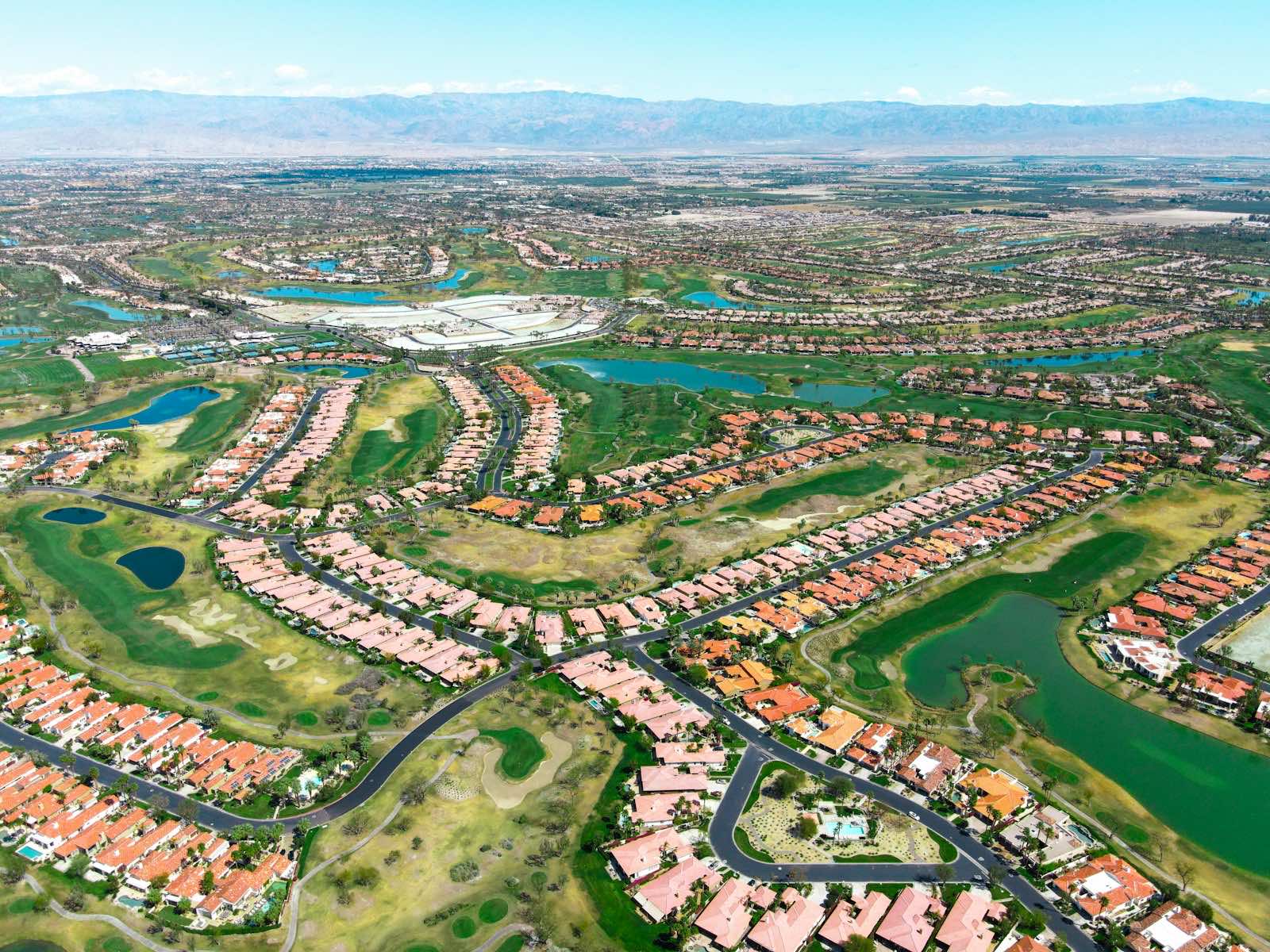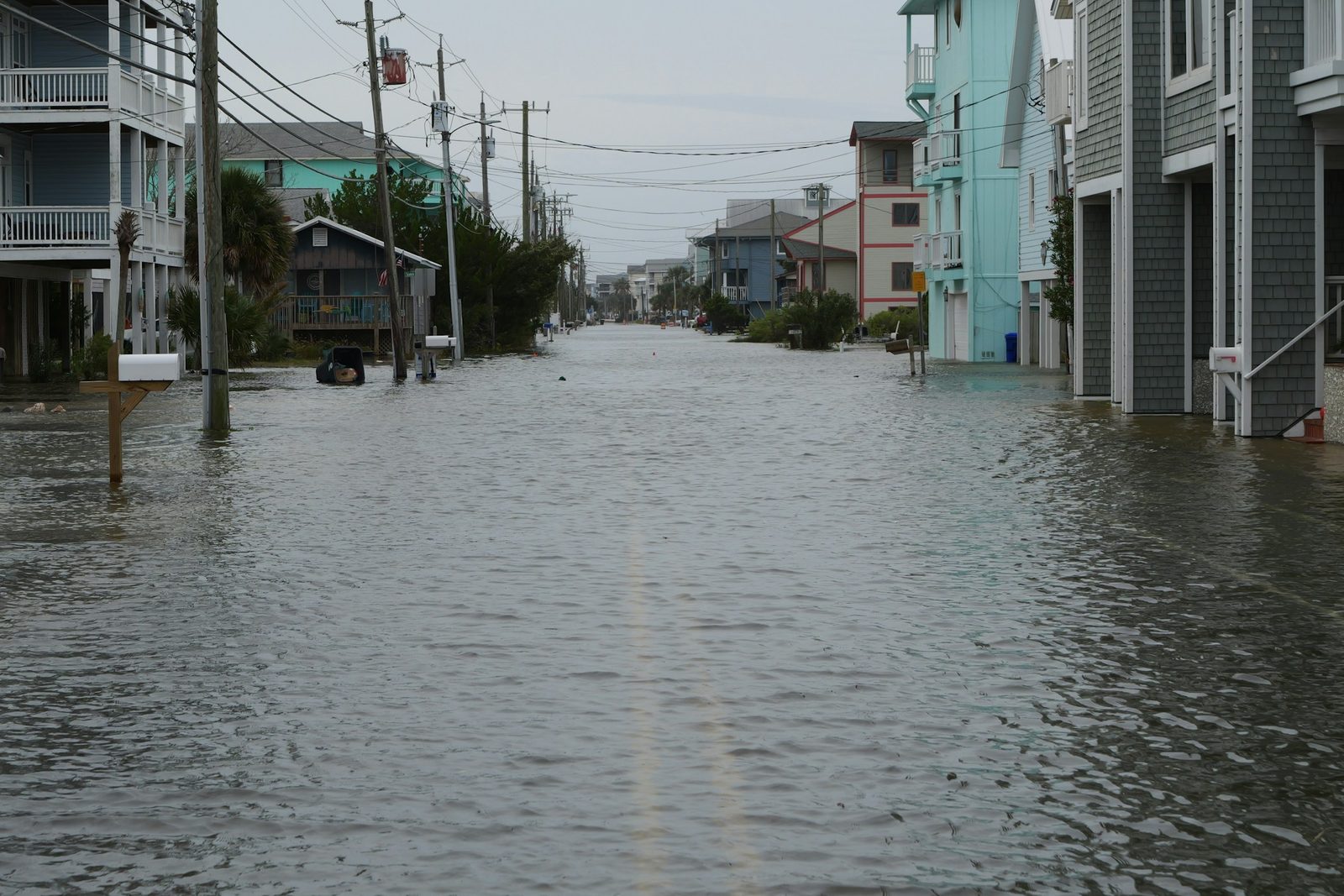
South Florida's king tides peak on October 27, 2026, the year's highest predicted east coast tide, according to the South Florida Water Management District. Condo and HOA boards with garages, ground-floor units, seawalls or low driveways should use the weeks before it to check the building.
The season is already putting water in the streets. On September 29, the National Weather Service in Miami had a coastal flood advisory in effect for coastal Palm Beach, Broward and Miami-Dade. It called for moderate coastal flooding.
Below: the dates, why the water can run higher than forecast, and the checks that go with them. Where a check is ordinary maintenance rather than a rule, we say so.
When South Florida's king tides run in 2026
"King tide" is not a scientific term. NOAA's National Ocean Service calls it a popular term for exceptionally high tides. They typically come with a new or full moon, when the moon is also closest to Earth.
The water management district's 2026 King Tide Season Forecast, published August 4, lists these high tide peaks for the east coast:
- August 11 to 14
- September 8 to 15
- September 24 to October 15
- October 22 to November 12, with the annual maximum predicted on October 27
- November 22 to 29
- December 22 to 27
For the Florida Keys, the district predicts the year's peaks on October 28 and 30.
NOAA's own tide predictions agree. We pulled NOAA's 2026 predictions for three stations the district tracks: Virginia Key, Port Everglades and Lake Worth Pier. At all three, the highest predicted high tide of the year falls on the morning of October 27.
The predicted times that morning are 9:23 AM at Lake Worth Pier, 9:40 AM at Port Everglades and 10:31 AM at Virginia Key. The tides on October 26 and 28 come close behind. Plan for three mornings, not one. Miami-Dade County's own calendar marks October 24 to 30 among its highest predicted dates.
Why the October 27 king tide could run higher than forecast
A tide prediction covers the moon and the sun, not the weather. NOAA says it can only predict the astronomical tides. It "cannot predict the effect that wind, rain, freshwater runoff, and other short-term meteorological events will have on the tides."
The last weekend of September showed what that means. On the morning of September 27, NOAA's preliminary data had the Port Everglades gauge at about 2.2 feet above mean higher high water. That is NOAA's average for the highest tide of each day. The prediction for that tide was about 0.7 feet.
Virginia Key ran the same way that morning, at about 2.3 feet observed against about 0.6 feet predicted.
NOAA predicts the October 27 morning tide at about 0.95 feet above the same mark at Port Everglades. That is higher than the tides it predicted for that late September weekend. Nobody can forecast the weather for October 27 yet, so treat the prediction as a starting point.
On the day, watch the National Weather Service. Its September 29 advisory described the impact as "flooding of lots, parks, and roads with only isolated road closures expected." Its instruction: "Take the necessary actions to protect flood-prone property."
Garages, parking and vehicle moves
Low garages and surface lots take on water first, and salt water is hard on cars. Fort Lauderdale's king tide page says "saltwater causes severe, corrosive damage to vehicles." It adds that driving through flooded roads "can push water into adjacent private properties."
Miami-Dade County tells residents to move vehicles to higher ground before the king tides begin. It also says to wash a vehicle down with fresh water after driving through salt water.
For a building, that becomes a plan with dates:
- Pick the high-tide mornings when the lowest spaces should be empty, starting with October 26 to 28.
- Decide where cars can go. Upper garage levels, if the building has them, are the obvious choice.
- Tell owners the dates and the morning times before that week starts.
- Check garage floor drains, ramp drains and any sump pumps before the peak. This is ordinary maintenance, not a code rule.
Storm drains and check valves
When the tide is high, water can come up through drains instead of going down. Fort Lauderdale's list for property owners says to "install check valves in private drainage systems to prevent floodwater from backing up into private properties."
The city uses tidal valves on its own drains for the same reason. It says they let rainwater drain while keeping tidal saltwater from backing up onto neighborhood streets.
For an association, the question is simple. Do the building's drains near the water have check valves? If they do, have them inspected and cleared before October 27. If they do not, ask the association's engineer or a licensed plumber whether they should. Clearing catch basins and trench drains of debris is general maintenance that matters most right before a high-tide morning.
Seawalls: watch them at high tide
A king tide morning is the best time to see a seawall problem. Fort Lauderdale tells owners to inspect their seawall and keep up regular maintenance. If it is overtopping during king tides, the city says to be proactive about raising it to the city's current standard.
That standard matters for waterfront associations. Fort Lauderdale says it "requires new seawalls to be built to a minimum top elevation of 5 feet." The city also says it will cite property owners whose seawalls are contributing to roadway tidal flooding.
Other cities set their own rules. Hollywood updated its seawall ordinance, O-2022-01, in February 2022. The city says its standards are consistent with Broward County Code Chapter 39, Article XXV. Check what your city requires before planning any work.
On October 27, have the manager or a board member watch the seawall at the predicted high tide. Photograph any water coming over it or through it, with the time. Send the photos to the association's engineer.
Ground-floor units and equipment rooms
Ground-floor units, lobbies and equipment rooms sit closest to the water. Fort Lauderdale calls sandbags "a useful tool to secure door thresholds." Its list also suggests moving electrical panels, air conditioners and water heaters to higher locations.
Moving equipment is a capital project, not a task for this month. A walk-through and sandbags are. Before the peak week:
- Walk the ground floor, lobby, mail room, and electrical and pump rooms. Note water stains or signs of past intrusion.
- Stage sandbags or other barriers at doors that took water before.
- Confirm that any sump pumps run, and that backup power works if the building has it.
- Ask ground-floor owners to lift anything stored on the floor.
What to tell owners before the king tide
Owners act on dates and times, not on "king tide season." A short notice before October 22 should cover:
- The peak mornings, October 26 to 28, and the high tide time at the nearest NOAA station.
- Where to move cars, and by what time.
- Not to drive through standing water. The National Weather Service says not to drive "through water of unknown depth."
- To report water inside a unit to the manager right away, with photos.
- That the association will photograph common areas during the peak.
The district's forecast page links a weekly outlook anyone can get by email. A manager who subscribes can pass along any change.
Document king tide flooding for insurance and disclosure
Two rules explain why same-day photos matter.
Flood insurance. The National Flood Insurance Program (NFIP) policy for condominium associations counts the "overflow of inland or tidal waters" as flood. The water has to cover two or more acres of normally dry land, or two or more properties, one of them yours.
After a loss, that policy requires prompt written notice to the insurer. Within 60 days, the association must send a signed and sworn proof of loss. It states the date and time of the loss and how it happened. Dated, time-stamped photos make that part easier.
Whether a given morning's water meets that definition, and what the policy pays for, are questions for the association's agent and the adjuster.
Flood disclosure when owners sell. Florida law requires a seller of residential real property to complete a flood disclosure. Section 689.302 asks whether the seller knows of any flooding that damaged the property during their ownership. Its definition of flooding includes "the overflow of inland or tidal waters."
A dated association record of what flooded, and when, helps owners answer that question accurately. Our guide to Florida's flood disclosure law covers the rest of the form.
On the peak mornings, capture photos and short videos with the date and time saved in the file. Note how far the water reached, from the garage ramp to the seawall cap, and save owner reports to the association's records.
Flood coverage has a 30-day wait
Under federal rules, a new National Flood Insurance Program policy or added coverage generally starts on the 30th calendar day after the application and premium payment.
There are exceptions, such as coverage bought at a loan closing. For an ordinary application, one made on or after September 28 would not take effect until after October 27. Private flood policies set their own terms.
The disclosure form in section 689.302 puts one point plainly: "Homeowners' insurance policies do not include coverage for damage resulting from floods." Ask the association's agent what its own policies cover, and remind owners to ask theirs.
A king tide checklist for October
- Put October 26 to 28 on the calendar, with the morning high tide times.
- Subscribe to the district's weekly outlook and watch National Weather Service advisories.
- Clear garage drains, catch basins and trench drains. Test sump pumps.
- Find out whether drains near the water have check valves, and have them inspected.
- Walk the seawall and the ground floor now, and photograph what you find.
- Stage sandbags at doors that took water before.
- Send owners the dates, the times, where to park and how to report water.
- On the peak mornings, photograph the seawall, garage and ground floor.
- Log what flooded, where and when, in the association's records.
- Send anything that looks structural to the association's engineer.
When to call the engineer, the insurer or counsel
Your building's answers depend on its own elevations, drains and policies. Call:
- The association's engineer, when water comes over or through the seawall, or when drains back up.
- The association's insurance agent, before the peak, about what the property and flood policies cover and how to report a loss.
- Association counsel, before sharing unit-level flood records outside the association, or if the city cites the association over its seawall.
If you want a second set of eyes on your building's king tide plan, ask us. When an engineer's report calls for seawall or drainage work, our project management team handles contractor bidding and oversight for condominium and homeowners' associations.
Frequently asked questions
When is the highest king tide in South Florida in 2026?
October 27, 2026, on the east coast, according to the South Florida Water Management District's 2026 King Tide Season Forecast. NOAA's predictions for Virginia Key, Port Everglades and Lake Worth Pier also put the year's highest predicted high tide on that morning.
Why was late September's flooding worse than the tide forecast?
Tide predictions cover only the moon and the sun, not wind or other weather. On September 27, NOAA's preliminary data at Port Everglades ran about 1.5 feet above the predicted high tide.
Does flood insurance cover king tide flooding?
The NFIP condominium association policy counts tidal overflow as flood when it covers two or more acres or two or more properties. Whether an event and its damage qualify is for the agent and the adjuster.
Can we buy flood insurance now and be covered on October 27?
Not through the National Flood Insurance Program, in the ordinary case. An application made on or after September 28 would start after October 27.
Is king tide season over after October?
No. The district also lists east coast peaks from November 22 to 29 and from December 22 to 27.
Sources
- South Florida Water Management District, "2026 King Tide Season Forecast," published August 4, 2026, sfwmd.gov.
- National Weather Service Miami, Coastal Flood Advisory for coastal Palm Beach, Broward and Miami-Dade counties, issued September 29, 2026, at 11:41 AM EDT, api.weather.gov.
- NOAA Tides and Currents, 2026 tide predictions and preliminary water levels for Virginia Key (8723214), Port Everglades (8722956) and Lake Worth Pier (8722670).
- NOAA Tides and Currents, Frequently Asked Questions, tidesandcurrents.noaa.gov.
- NOAA Tides and Currents, Tidal Datums (mean higher high water), tidesandcurrents.noaa.gov.
- NOAA National Ocean Service, "What is a King Tide?", oceanservice.noaa.gov.
- City of Fort Lauderdale, King Tides and High Tides, fortlauderdale.gov.
- Miami-Dade County, King Tides, miamidade.gov.
- City of Hollywood, Sea Walls and Flood Barriers, hollywoodfl.org.
- 44 CFR Part 61, Appendix A(3), Standard Flood Insurance Policy, Residential Condominium Building Association Policy, eCFR.
- 44 CFR 61.11, Effective date and time of coverage under the Standard Flood Insurance Policy, eCFR.
- Florida Statutes, Section 689.302 (2026), Disclosure of flood risks to prospective purchaser, flsenate.gov.